Craters, fisheyes and other paint coating defects can have various causes – from inadequate surface pretreatment and improper application conditions to contamination of coating materials. Compressed air quality is another important factor. What causes these problems, and how can they be prevented?
Compressed Air as Part of the Painting Process
Compressed air serves several functions in industrial paint shops. It is used to operate pneumatic equipment, blow off components, atomize coating materials in liquid painting processes, and convey and apply powder in powder coating operations. Three types of contaminants pose particular risks to coating quality: moisture, oil and solid particles. Their presence can interfere with the application process, cause localized defects and adversely affect the appearance of the finished coating.
Importantly, even a high-quality compressor does not guarantee the required air purity at the point of use. What matters is a properly designed and maintained system for compressed air generation, treatment and distribution.
What Coating Defects Can Contaminated Compressed Air Cause?
- Craters and Fisheyes
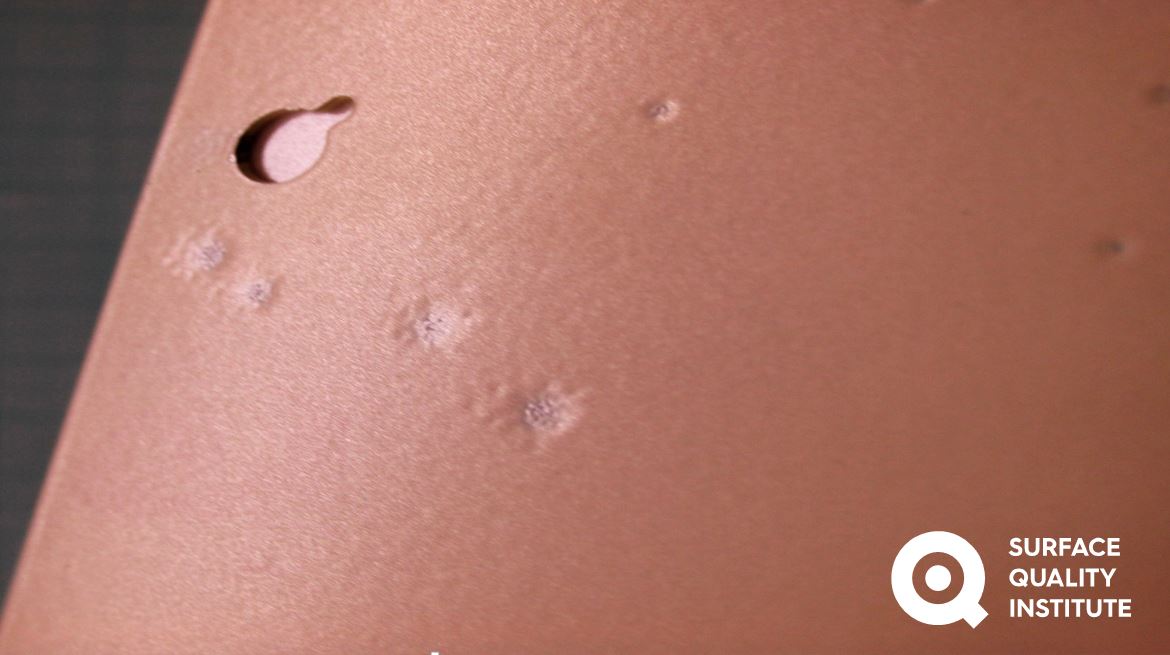
Among the typical coating defects are craters and so-called fisheyes. These appear as small circular depressions or areas where the coating material pulls away, preventing the formation of a continuous film. Such defects may result from contamination of the surface or coating material with substances that interfere with wetting. Oil contaminants carried by compressed air are one possible source. If these defects occur repeatedly, it is advisable to check not only surface pretreatment, coating materials and application equipment, but also the quality of the compressed air supplied to the painting process.
- Moisture-Related Defects
Moisture presents another risk. During air compression and subsequent cooling, water vapor condenses. If the resulting condensate is not effectively removed, water may enter the distribution system and eventually reach the process equipment. In liquid painting, excessive moisture can adversely affect coating application and film formation. In powder coating, it can cause problems with powder conveying, dosing and application uniformity. The specific effects depend on the technology, materials and operating conditions involved.
- Solid Particles and Other Contaminants
Dust, corrosion particles from compressed air piping and other mechanical contaminants can enter the application process along with the compressed air. If these particles settle on the surface being coated or become incorporated into the coating material, they may cause localized defects, surface irregularities and undesirable changes in coating appearance. Even small contaminants can require repairs or reprocessing, particularly for visible components and surfaces subject to stringent quality requirements.
What Compressed Air Quality Is Required for Painting?
Compressed air purity requirements vary depending on the application. Air used to operate pneumatic components may require a different purity level from air that comes into direct contact with coating materials or the surface being treated. The main reference is ISO 8573-1, which defines compressed air purity classes based on the concentration of solid particles, water and oil. For painting technologies, it is therefore essential to determine the required purity class and design an appropriate air treatment system. The objective is not to achieve the highest possible purity at any cost, but to meet the technical requirements of the specific process.
Drying and Filtration: The Foundation of Contamination Prevention
Achieving the required compressed air quality depends on the right combination of drying, filtration and condensate management. Compressed air dryers reduce water vapor content and help prevent moisture from condensing in the distribution system. Refrigerated air dryers are commonly used in industrial applications. For more demanding processes requiring a lower pressure dew point, desiccant adsorption dryers are suitable.
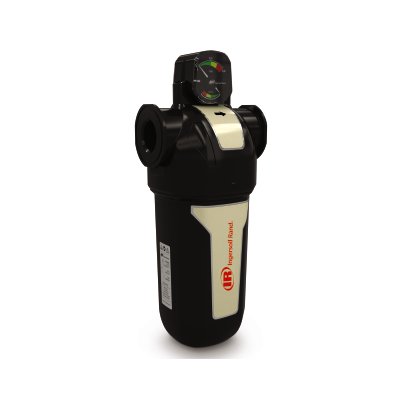
Filtration systems remove solid particles and, depending on the filtration stage, oil aerosols or oil vapors. The filtration system must be selected according to the required purity class and the type of contamination. Reliable condensate drainage is equally important to prevent accumulation within the system. Solutions may include zero-loss condensate drains and oil-water separators for subsequent condensate treatment. The effectiveness of these devices also depends on regular maintenance. Clogged filter elements, malfunctioning condensate drains or improperly operated dryers can compromise air quality even in a correctly designed compressor installation.
Where Should You Look When Coating Defects Keep Occurring?
If coating defects repeatedly appear on painted components, a systematic approach is essential. Inspections should cover surface pretreatment, application parameters, coating materials and curing conditions. The compressed air system should also be included in the investigation, particularly if defects occur intermittently, following changes in operating conditions or simultaneously on several application devices.
Attention should be paid not only to the compressor and central air treatment equipment, but also to distribution piping, filtration units and individual points of use. The quality of compressed air at the point of use is what ultimately matters to the painting process. Measuring oil content, solid particle concentration and pressure dew point can help verify whether the supplied air meets the process requirements. The results can then provide a basis for adjusting filtration, drying or system operating parameters.
Coating Quality Requires a Comprehensive Approach
ITS combines expertise in compressed air technologies and surface finishing. We design and supply Ingersoll Rand compressor systems, including drying, filtration and related compressed air treatment technologies. We also specialize in the design and implementation of industrial painting systems.
Our SQI laboratory provides professional testing and coating quality assessment services to support the evaluation of coating properties and the analysis of coating defects. On our laboratory website, you can also explore our coating defects catalogue, which describes common problems and possible solutions.
We can help you assess your compressed air system and recommend appropriate measures.